By Mia Curtis-Mays, Archives Assistant
I am currently part of a digitisation project scanning the glass negatives from the Chichester Photographic Services collection (CPS). Through wanting to find out more about the collection I was working on, I discovered that the founder of Chichester Photographic Services has a legacy in the realms of film and photography in West Sussex.
Harry Guermonprez (1898-1973) was the eldest son of Henry Leopold Foster Guermonprez (1858-1924), who was well-known in Bognor as a well-established natural historian and collector of flora and fauna of West Sussex. His father deserves a separate blog himself, but if you would like to find out more about him in the meantime, The Portsmouth Natural History Museum (Cumberland House) holds his natural history collection, and they currently have a temporary exhibition about him on display. The family lived at the property ‘Dalkeith’ in Bognor, for which you can find plans of through our online catalogue.
Harry was known affectionately to everyone as ‘Gomey’ or ‘Mr G’ and originally managed one of Cleeve’s chemists in Bognor. Cleeve’s was a photographic chemist, owned by Edward John Cleeves. With the depletion of film photography’s popularity, photographic chemists are now few and far between, with typically only certain Boots stores still providing this historic service. However, in Gomey’s time working for Cleeves, photographic services in chemists were a common entity, and probably helped nurture Gomey’s love for the media.
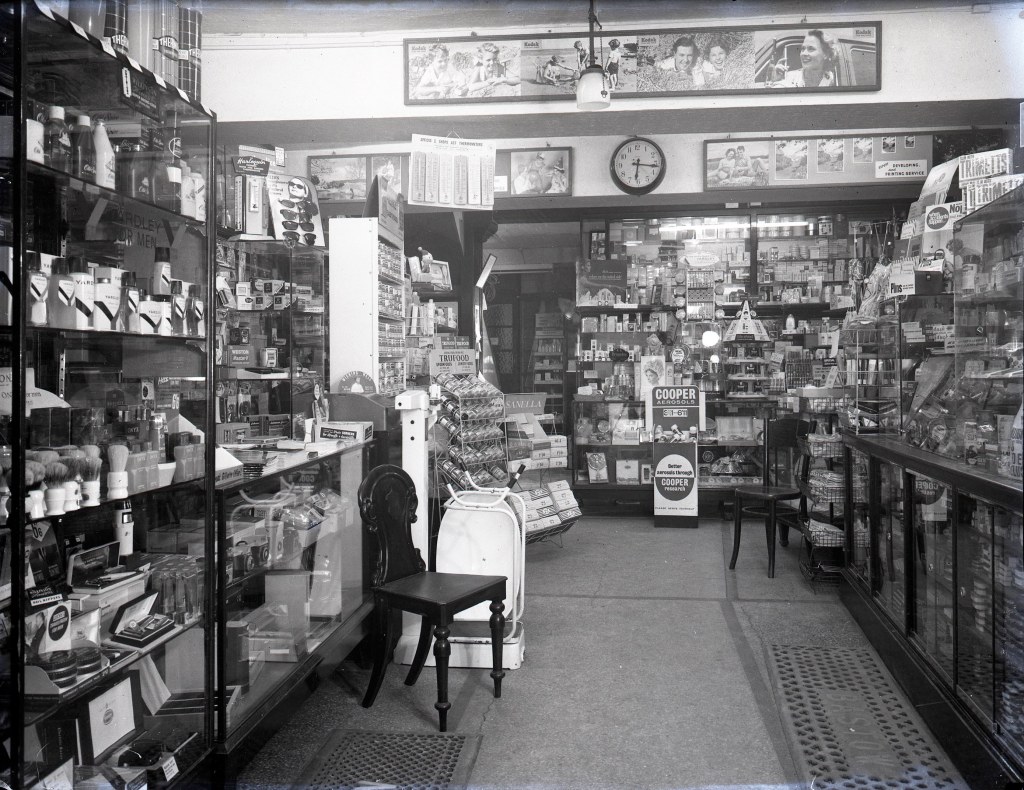
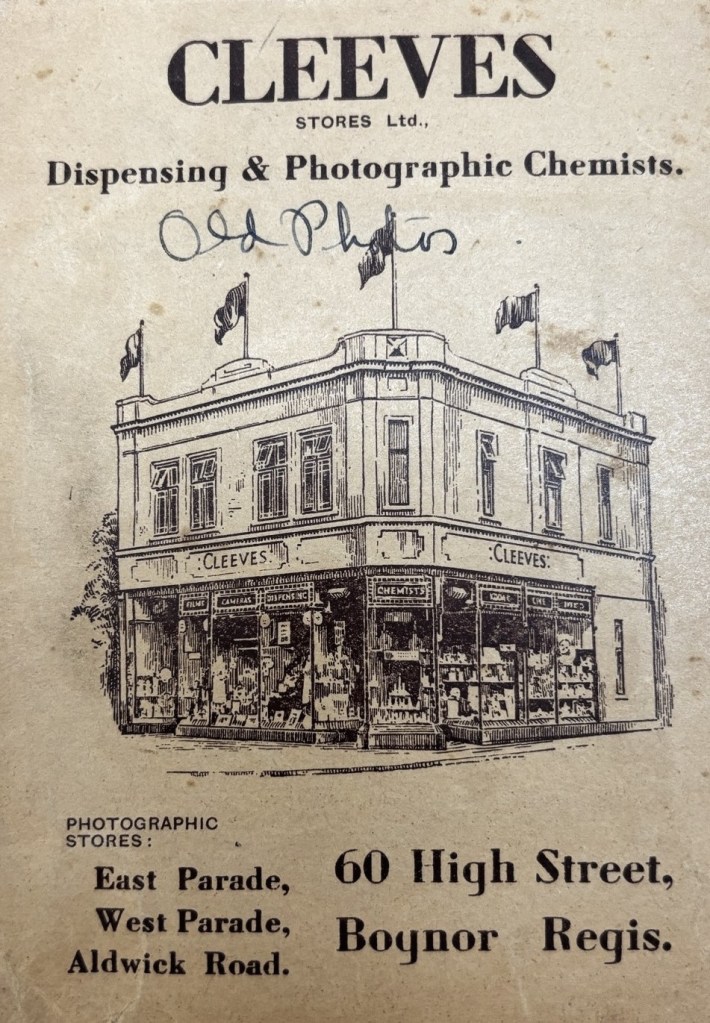
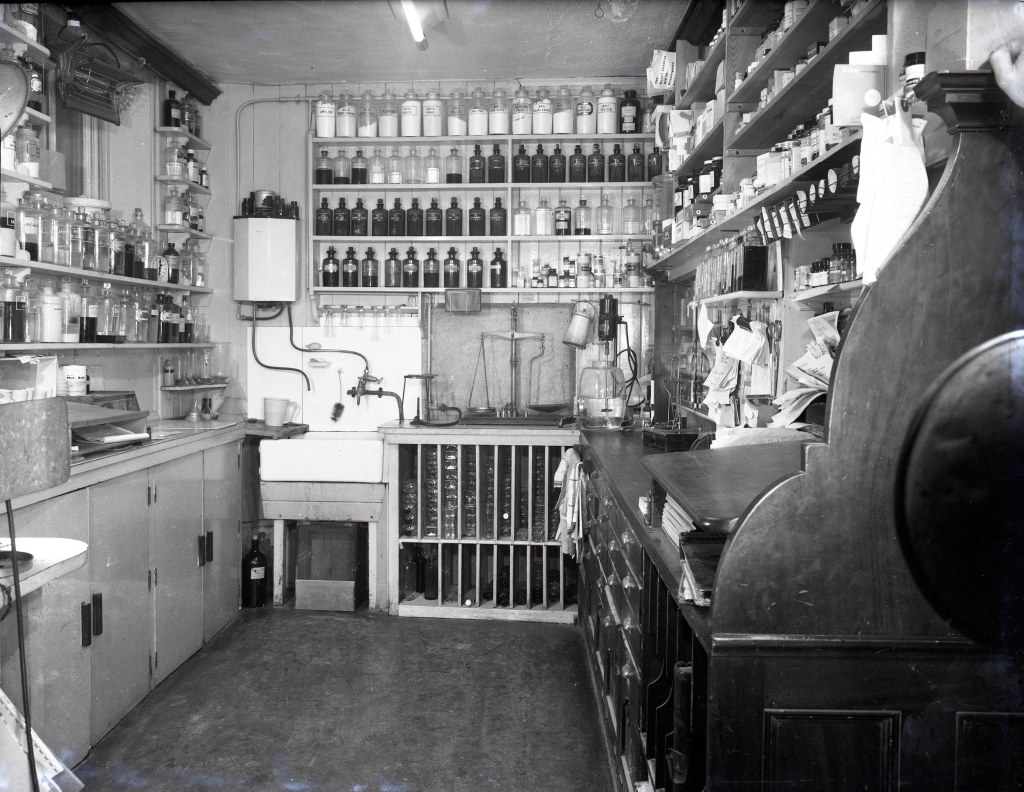
The Bognor Regis Film Society
It is no surprise that The Bognor Regis Film Society’s (co-founded by Guermonprez) inaugural meeting was held in a room in one of Cleeve’s stores in the High Street, Bognor. The film society was originally proposed in the 3rd of February 1934 edition of the Bognor Regis Post to inquire about interest. The meeting was held on Friday 16th Feb 1934, chaired by Alfred McDonald. It was explained in this meeting that the Society aimed to produce motion pictures on 16mm, 9.5mm and 8mm. The Society wanted to attract all those who were interested in film acting or technique.
Gomey was elected the Society’s first photographer, and he was responsible for the news films. The feature films were shot by Barry Hart. However, it was when Gomey became producer and director of the Society, that he made the most impact and became the ‘inspiration’ of its film-making activities.
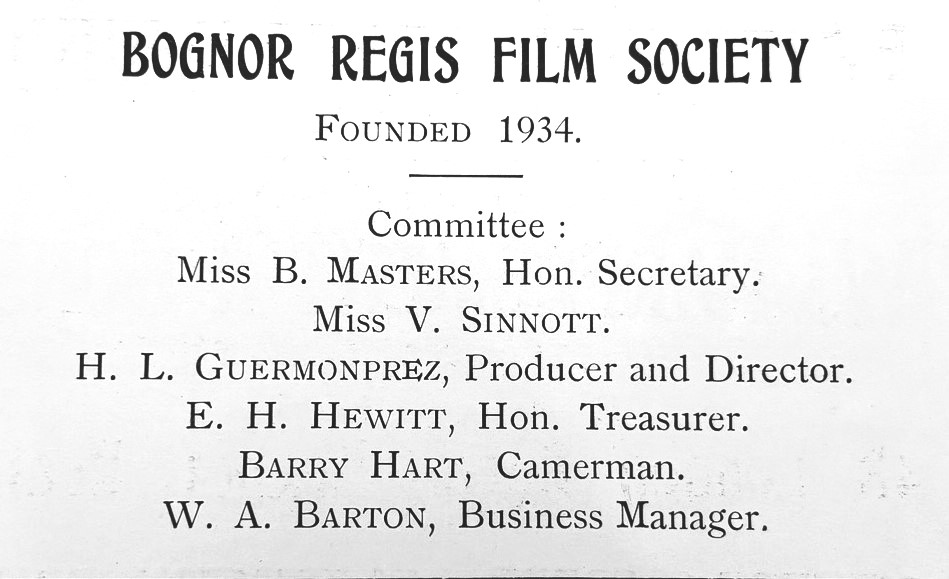
The Society followed the guidance of Amateur Cine World to put on a film presentation, to try to gain some notice from the public. This was held at a packed Pavilion Annex, on Monday 5 March 1934 at 8pm, with Gomey as the projectionist. The reviews of the presentation were glowing, with particular focus on the accompaniment and effects.
One of the Society’s most notable films was Moko to Monkey, which was the first of a series of animated cartoons drawn by Alan Frazer and filmed by Guermonprez. It cost the Society only £2 in materials, but broke new ground for an amateur film society in Britain. At this time, cartoons were monopolised by the American film industry. Moko the Monkey was awarded a leader by Amateur Cine World in January 1936 for its originality and animation.
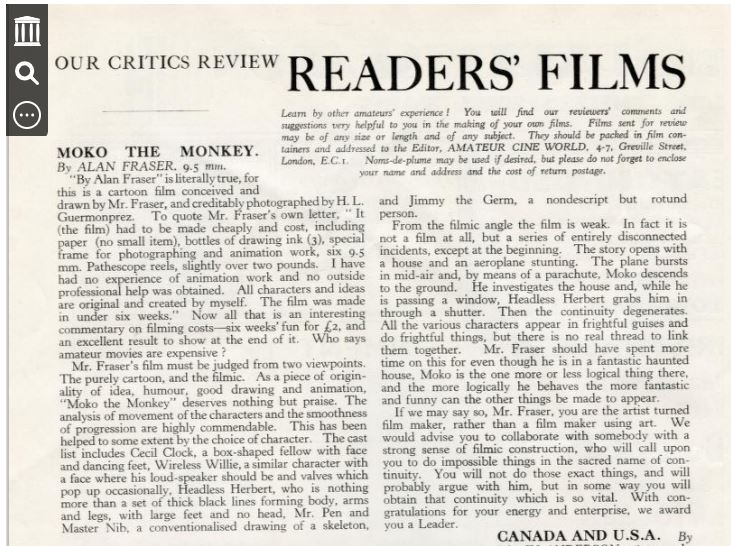
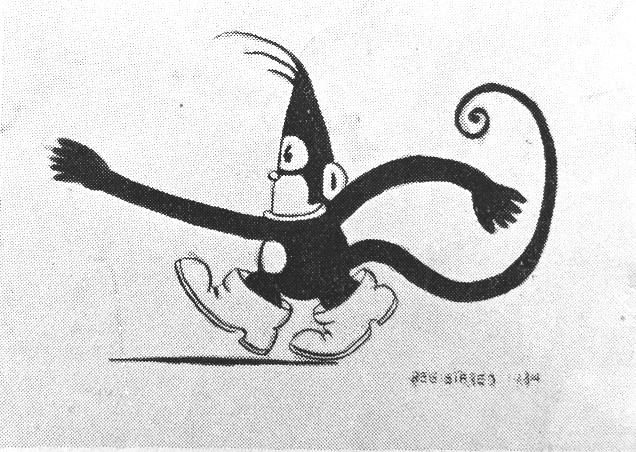
The Society’s films would cover a variety of subjects, such as drama, comedy, farce, documentary, newsreel, interest and animated cartoon films. These would then be exhibited to the public of Bognor Regis annually, before being exhibited across the country by other film societies. In winter, meetings, lectures and dances would be held. There was no expectation for members to be owners of cinecamera or other equipment, or even to have undertaken any cine-photography prior. Many of the films can be viewed through Screen Archive South East.
Chichester Photographic Services Ltd
Harry Guermonprez opened a photographic business in c.1938 – Chichester Photographic Services Ltd in Whyke Lane, Chichester. The firm photographed often for news items in the Chichester Observer, as well as social and official gatherings. Every year, Chichester’s hospitals were visited on Christmas Day and their entertainments and parties laid on for patients were photographed.
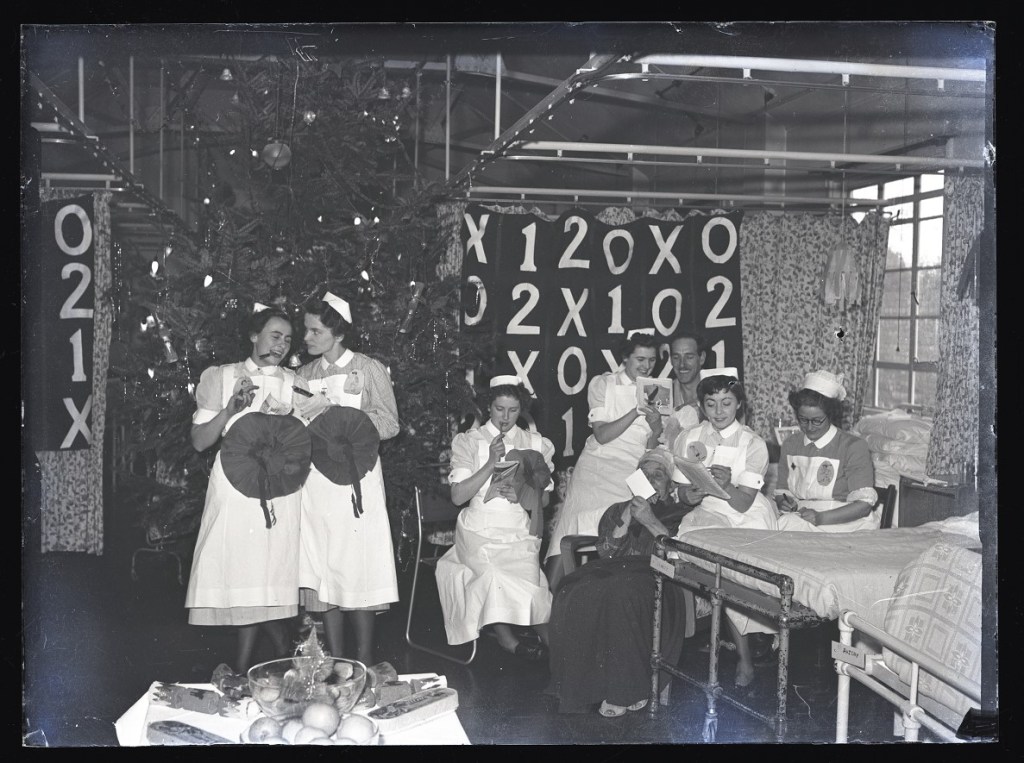
Gomey was a perfectionist, working from 8am to 8pm, in and out of the darkroom. He used VN Press Cameras, which were loaded with 9 x 12 cm glass plates.
Drop down to read more about the historic background of glass plate negatives
The glass plate negative could not have been possible without the invention of the Collodion process by British Sculptor Frederick Scott Archer (1813-1857). The method involved coating sheets of glass on one side with a collodion mix of cellulose nitrate and ether. The glass sheet was then dipped into a bath of silver nitrate and quickly inserted into the camera stand in order to expose the plate before it dried. These were called ‘wet plate’ negatives.
In 1871, Dr Richard L Maddox (1816-1900) of Southampton, published his method of preparing gelatine dry plates, using thinner sheets of glass coated more evenly with an emulsion of cadmium bromide, gelatine and silver nitrate. These plates would then be left to dry and became more stable and transportable. They were easier to store and needed less exposure to light.
In 1878, Charles Bennett proved that by leaving the emulsion to brew for a day or two at 90°F before spreading it on the plate, led to better light sensitivity. This made it possible to take photographs with exposures as little as 1/25 of a second. By 1885, the wet collodion process became obsolete.
On returning to the firm’s premises, the negatives would be developed in specially designed racks and printed on overhead Kodak enlargers. Developing and printing were an important part of the firm’s business: Bastow’s, Timothy Whites and other local chemists all sent films to Chichester Photographic Services.
Harry Guermonprez retired in 1968, and subsequently the thousands of glass-plate negatives and the corresponding day books from Chichester Photographic Services Ltd came here to West Sussex Record Office. In 1998, Chichester historian Ken Green and Searchroom Archivist Steve Griffiths created a book in honour of Harry, to get his pictures seen by a wider audience. The book is Chichester 1945-1965 and can be loaned from West Sussex Libraries.
As I venture further into this digitisation project, I aim to write some more blogs about my discoveries of this collection, so keep an eye out!
Useful resources:
- MP 7021
- Lib 15883
- Lib 13342
- AM 685/2
- UD/BR/16/1/74B
Stay up to date with WSRO – follow us on Facebook, Instagram, Threads, Bluesky and YouTube

 West Sussex Record Office
Fantastic. Thank you!
LikeLiked by 1 person