By Victoria Evans, Searchroom Archivist

For this year’s International Women’s Day, the theme is ‘Give to Gain’. Throughout the Second World War, the women of Britain and beyond sacrificed a lot, and some their lives, to ensure that our nation maintained its freedom from the impending threat of Nazi invasion. Additionally, the acts of brave women during the Second World War contributed to changing attitudes towards women in the military, a step towards gender equality. In this blog post we will explore Tangmere’s connection to the Special Operations Executive (SOE) and one important female agent who was flown back to RAF Tangmere after her first mission.
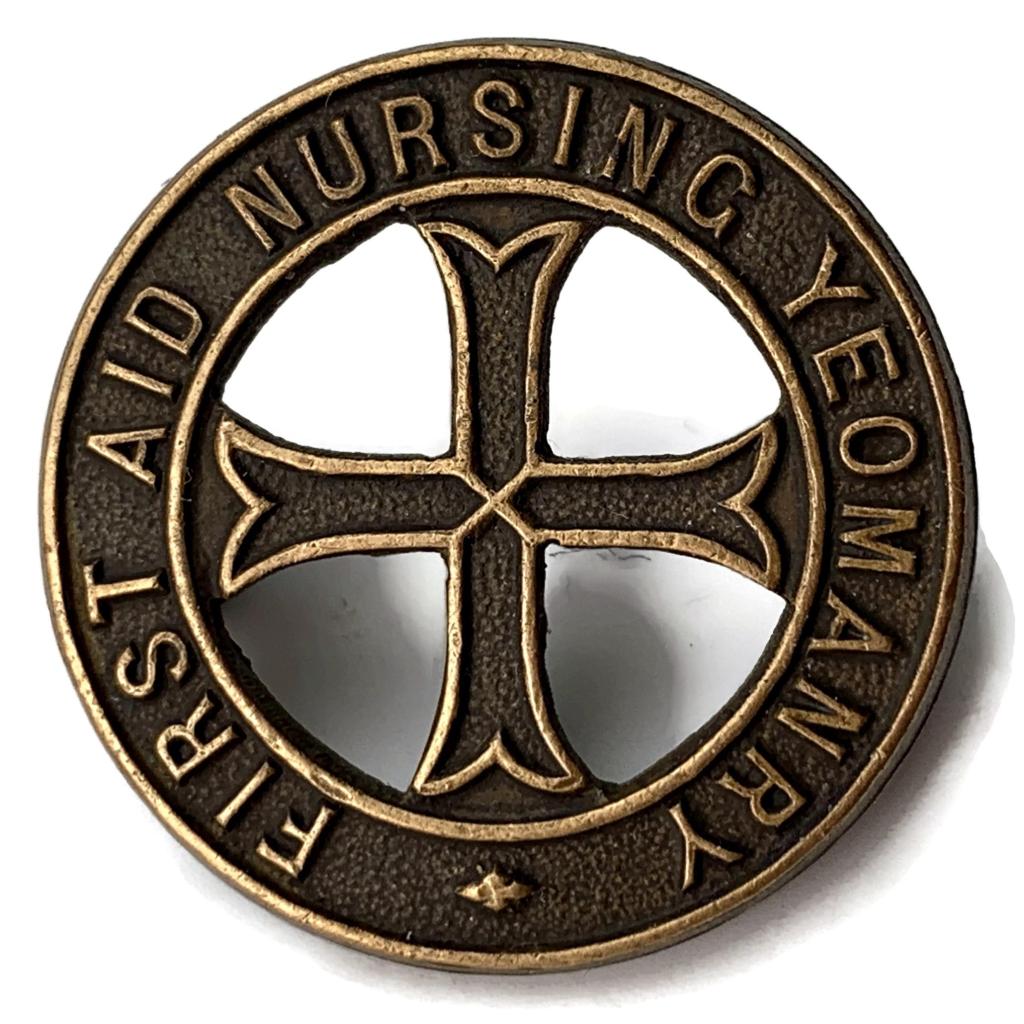
The SOE was created in June 1940 and the agents they trained were tasked with infiltrating enemy lines and sabotaging from within. Women were able to join the SOE, and some would have been enlisted in the First Aid Nursing Yeomanry. This hid their secret work, and they were the only women allowed to engage in combat during the war.
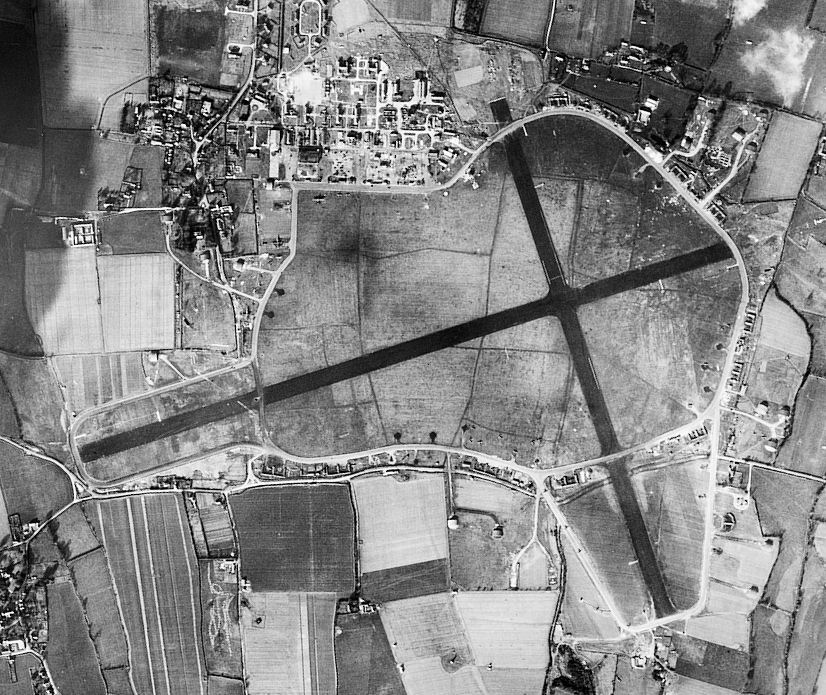
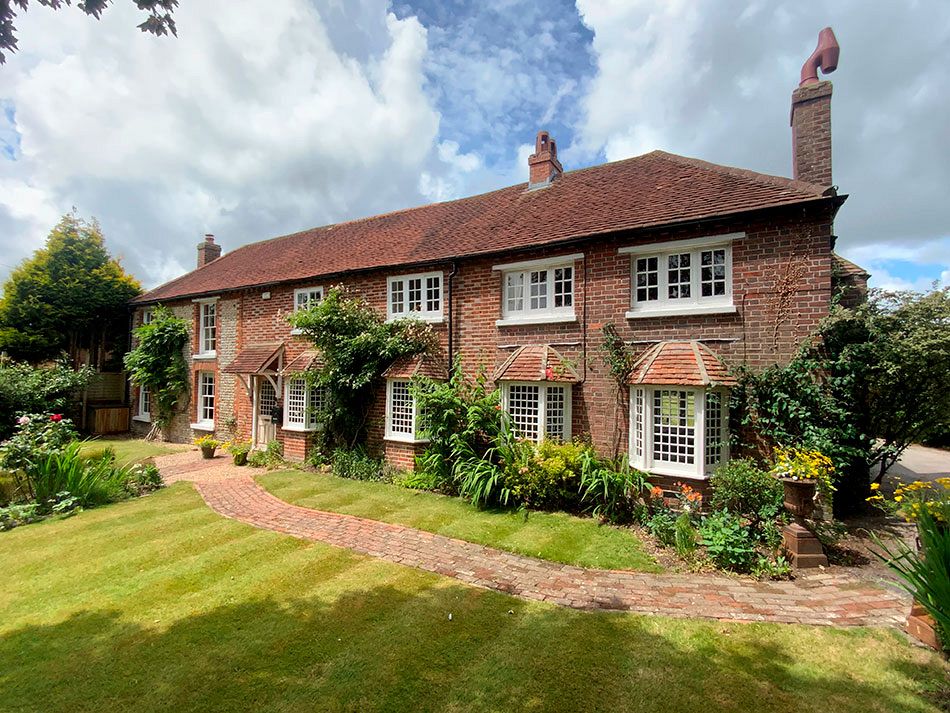
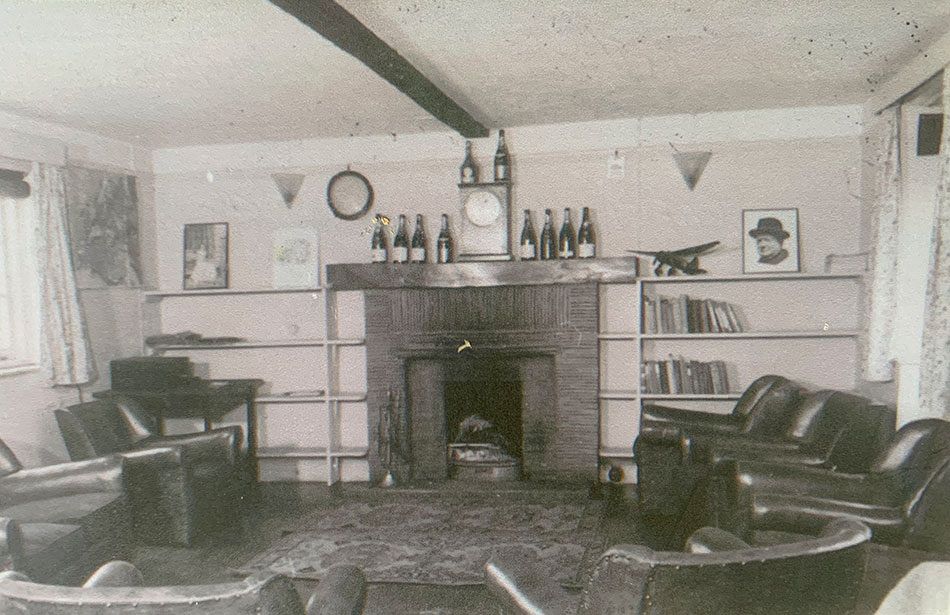
RAF Tangmere was founded in 1917 for use as a training base by the Royal Flying Corps, but soon after in 1918, it was sold to the US Government for use by the Aviation Section of the US Signal Corps. By 1919 it was up for sale again. Then, by 1926, it had been re-purchased by the Crown and re-opened to serve the RAF. Heading into the Second World War in 1939, the airfield was enlarged to help defend the south coast. Throughout the war, the SOE used Tangmere Cottage to plan secret missions from and house agents before they were flown into France. It was also used to house agents if they returned from their missions.
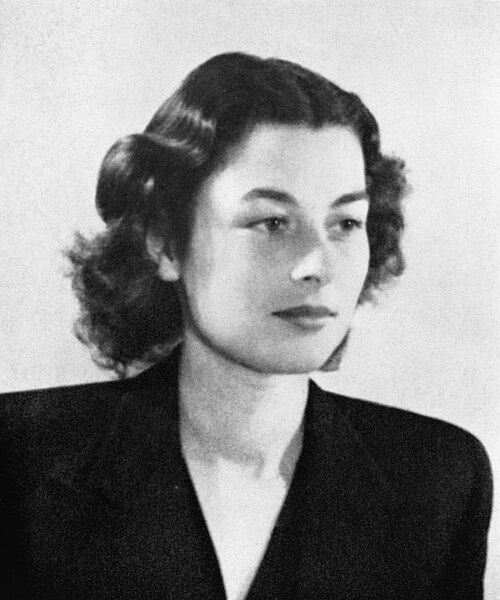
Violette Szabo was born on 26 June 1921 in Paris to a French mother, Reine Blanche, and an English father, Charles George Bushell. Violette spent her childhood in Picardy, France before moving to South London at the age of 11. At the age of 14 she began working for a French corset maker, then Woolworths and then at the outbreak of WWII she was working at Le Bon Marché. Following this in early 1940, she joined the Women’s Land Army before returning to London to work in an armaments factory. She soon met her future husband, Etienne Szabo, and they married in August 1940, only 42 days after their first meeting! Keeping up her varied work after her marriage, she began working for the General Post Office as a switchboard operator before enlisting with the Auxiliary Territorial Service (read our previous blog posts about the ATS here). She was posted to many locations around the country and went through all the necessary training. However, she soon found out she was pregnant and returned to London to give birth to her daughter, Tania Damaris Desiree Szabo. Sad news of her husband’s death in action came in October 1942 and, devastatingly, he had never met his daughter. This loss prompted Violette to train as an SOE field agent as a way to fight back against the enemy that killed her husband.
It is not clear how SOE became aware of Violette. However, her ATS training and fluency in French would catch the attention of the F-Section recruiter. She began her training on 10 July 1943 and became a section leader in the First Aid Nursing Yeomanry. She was sent to Winterford House for the first phase of training before going onto Beaulieu for the second phase, where she learnt escape and evasion, uniform recognition, communications and cryptography, and had further training in weaponry. Finally, she was sent for parachute training near Manchester. She passed this February 1944 and with this it was time for her to go on her first mission.
After some delays, Violette, along with a fellow SOE agent, Philippe Liewer, were flown into German-occupied France and her cover story was that he was a commercial secretary named Corinne Reine Leroy from Bailleul, and who was a resident of Le Havre, which gave her reason to travel to the Restricted Zone of German occupation on the coast. She gathered intel on German arrests and reported on factories producing war materials. She was returned to Tangmere by Lysander piloted by Bob Large on 30 April 1944. This flight back did not go unscathed as the plane was hit by enemy fire over Chateaudun and this made the landing back in England very rough, but Violette was unharmed and was promoted to Ensign soon after in May.
Following the success of her first mission, she was sent back out and was parachuted into the outskirts of Limoges on 8 June 1944. Unfortunately, it may have been possible that she twisted her ankle, which she also sprained during training, when she landed. Her cover for this mission was Mme Villeret, the young widow of an antiques dealer from Nantes. Her mission was to lead the sabotage of communication lines during the enemy’s attempt to stem the Normandy landings. However, a lack of intelligence gathering by the local Resistance was just the beginning of her second mission failing.
On 10 June, instead of travelling by bicycle, she rode in a car, which instantly raised the suspicions of the German soldiers, as French residents had been banned from using car after D-Day. They stopped and Violette, along with Jacques Dufour and Jean Bariaud, leapt from the car and a gun fight ensued. They seized a moment to escape and ran into a field, but this was when she fell and badly twisted her ankle. She was unable to run any more and scarified herself so the other two men could escape. She provided cover for from behind a tree, and she fought the German soldiers for thirty minutes, killing at least one corporal and wounding many others. When her ammunition ran out, she was captured. The story of her capture cannot be confirmed, but her bravery cannot be denied no matter how it played out. She was then transferred to the custody of the SS Security Service (Sicherheitsdienst), where she gave her name a ‘Vicky Taylor’. But soon enough, her real identity and her activities as an SOE agent were brought to light. She was brought to Gestapo headquarters at 84 Avenue Foch for interrogation and torture by the Sicherheitsdienst.
Following the suffering she would have endured during interrogations, she and many other captured SOE agents were transferred to Ravensbrück concentration camp in late August 1944. She was put to work but never stopped planning her escape and even aided the escape of another inmate, Hortense Clews. Although Violette tried to maintain optimism for liberation, the abuse she and her fellow inmates endured chipped away at this.
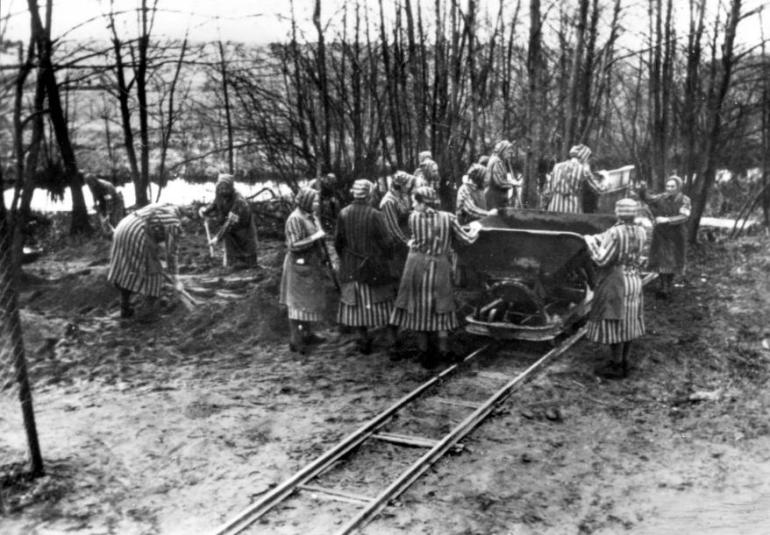
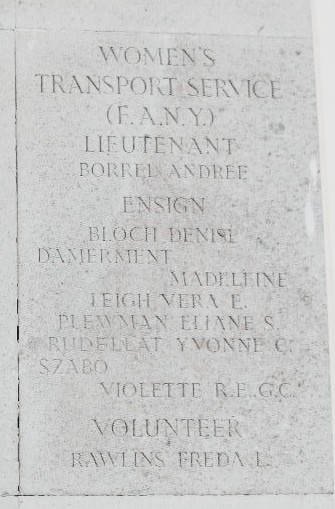
Violette was murdered on or before 5 February 1945. As an acknowledgment of her service and sacrifice, she was awarded the George Cross posthumously on 17 December 1946. She was commemorated in the Commonwealth War Graves Commission Brookwood 1939-1945 Memorial to the Missing in Brookwood Military Cemetery, Surrey.
Useful links:
- https://en.wikipedia.org/wiki/RAF_Tangmere
- https://www.henryadams.co.uk/news/643/the-secret-life-of-tangmere-cottage
- https://en.wikipedia.org/wiki/Violette_Szabo
Stay up to date with WSRO – follow us on Facebook, Instagram, Threads, and YouTube

 West Sussex Record Office