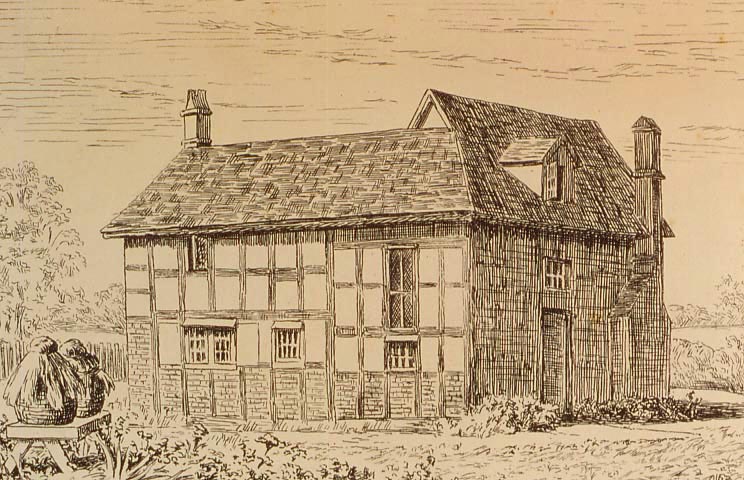
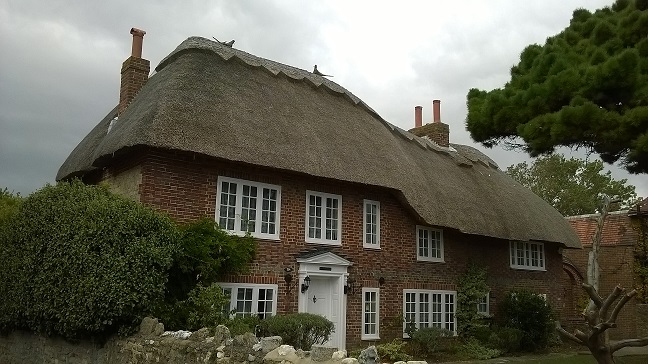
By Tim Hudson (guest blogger) What types of historic documents do architectural historians use? Continuing with our guest written series, the once Editor of the Sussex Victoria County History and co author of the updated Pevsner guide to West Sussex, Tim Hudson, will be exploring the types of records used when researching built heritage. Each…
Author
The Railway Card Project: ‘B’ surname cards
By Katherine Slay, Archives Assistant In our latest blog post, Katherine Slay explains more about our on-going project to catalogue the tens of thousands of employee cards of the Southern England Railway company. These are gradually being made available whilst being indexed at the same time. Family historians will be able to find out more…
Continue reading ➞ The Railway Card Project: ‘B’ surname cards
The monstrous serpent of St Leonard’s Forest
By Alice Millard, Research Assistant Written accounts of serpent-like creatures, often referred to as dragons, appear throughout British history. They’re comparable to today’s sensationalist news stories about spooky big cat sightings. Both are creatures who normally cannot be accurately described - yet people have attempted to convince others of the existence of monsters for millennia.…
Continue reading ➞ The monstrous serpent of St Leonard’s Forest
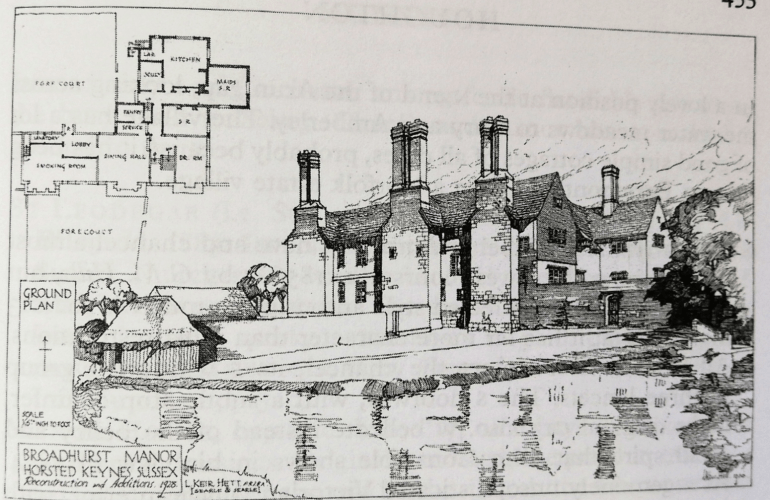
Historic records and architectural histories: drawings and models
By Tim Hudson (guest blogger) What types of historic documents do architectural historians use? Continuing with our guest written series, the once Editor of the Sussex Victoria County History and co author of the updated Pevsner guide to West Sussex, Tim Hudson, will be exploring the types of records used when researching built heritage. Each…
Continue reading ➞ Historic records and architectural histories: drawings and models
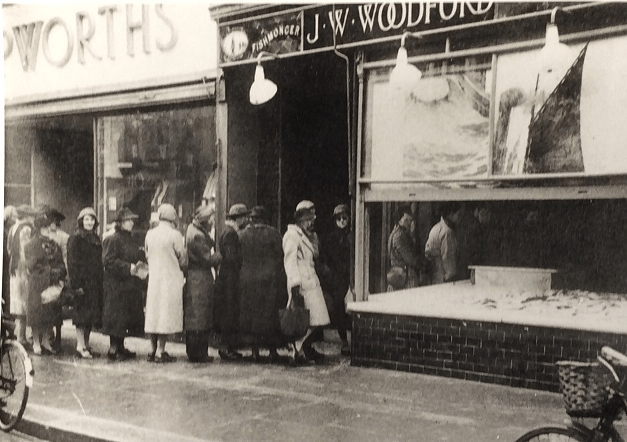
Rationing and West Sussex
Rationing began in the early stages of the Second World War, but it's impact was immediate and long lasting. What restrictions were there on meat, petrol, sugar, fabric, and - most important of all - tea? And how long did it last?
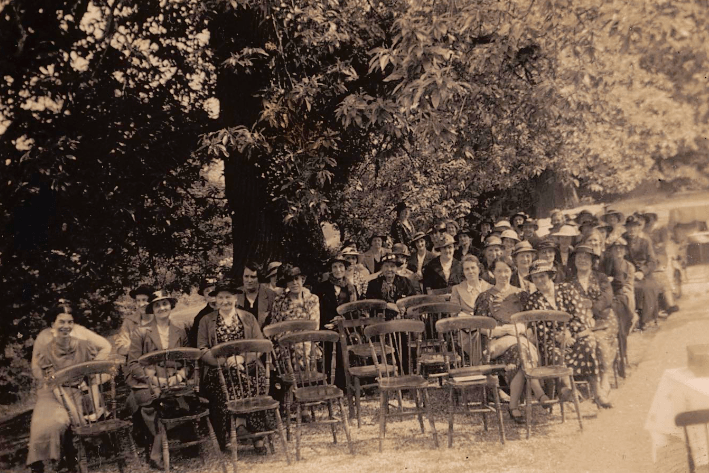
Looking back at the Women’s Institute in West Sussex
By Alison Merriman, Archivist to the West Sussex Federation of Women's Institutes To celebrate the 100th anniversary of the West Sussex Federation of Women's Institutes, Alison delves deeper into the origins of the WI - an organisation that has been present in West Sussex ever since its arrival in England in 1914. To illustrate her…
Continue reading ➞ Looking back at the Women’s Institute in West Sussex
A Gloucester Garden Party
Something light and fluffy this time, a diary entry of sorts of trip north west to some colleagues, catching the last of the good weather and enjoying endless amounts of cake!
William Penn in West Sussex
By Martin Hayes, County Local Studies Librarian William Penn is best known as the founder of Pennsylvania, among the most successful of all American colonies, and as a leader of the fledgling Society of Friends, better known as Quakers. He was the only man in the 17th century to achieve as much in ‘Olde England’…
Historic records and architectural histories: Selsey Maps
By Tim Hudson (guest blogger) What types of historic documents do architectural historians use? Continuing with our guest written series, the once Editor of the Sussex Victoria County History and co author of the updated Pevsner guide to West Sussex, Tim Hudson, will be exploring the types of records used when researching built heritage. Each blog, Tim will look at a significant West Sussex building through a variety of historic documents available at the Record Office. Today we look at the maps of Selsey.
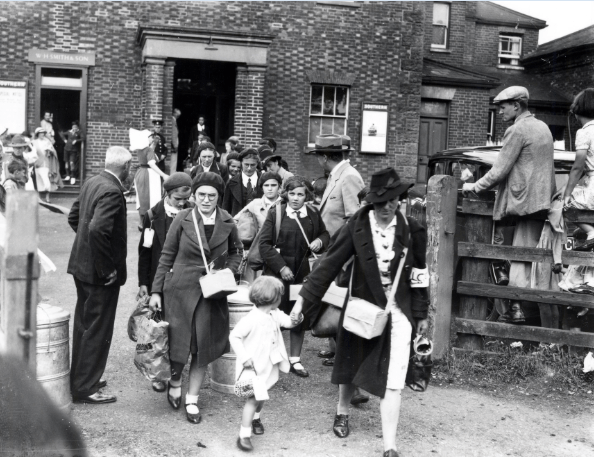
West Sussex and its London Evacuees
Adjusting to a new home, integrating (or lack thereof) with the local children, and living with complete strangers... It was a lot to ask of the evacuees that came to London 80 years ago this month!