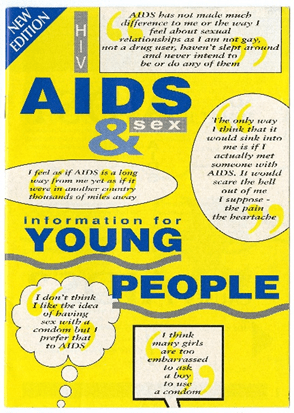
The birds and the bees (and contagious disease): A short history of HIV in Sex Education, 1980s-1990s

By Chris Olver, Project Archivist In this blog, our Documenting HIV Epidemic Project Archivist provides a short history of the impact of HIV on Sex Education teaching in schools in the UK, and how the West Sussex charity, AVERT, contributed to educating young people about the risks of HIV and AIDS, using examples from the…

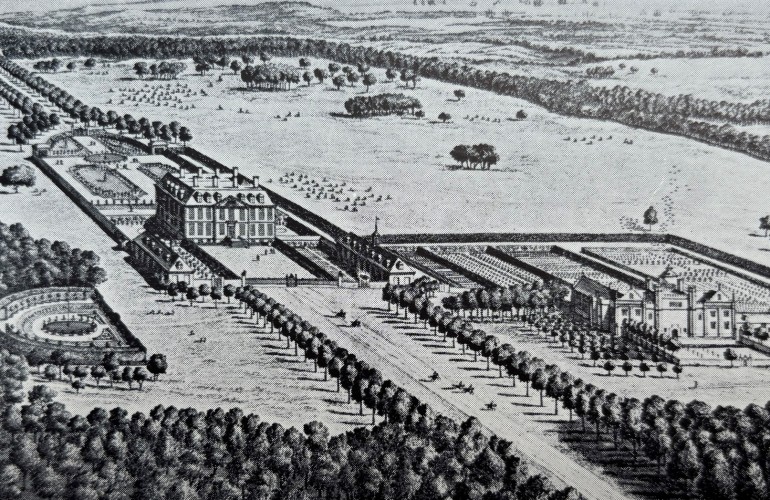
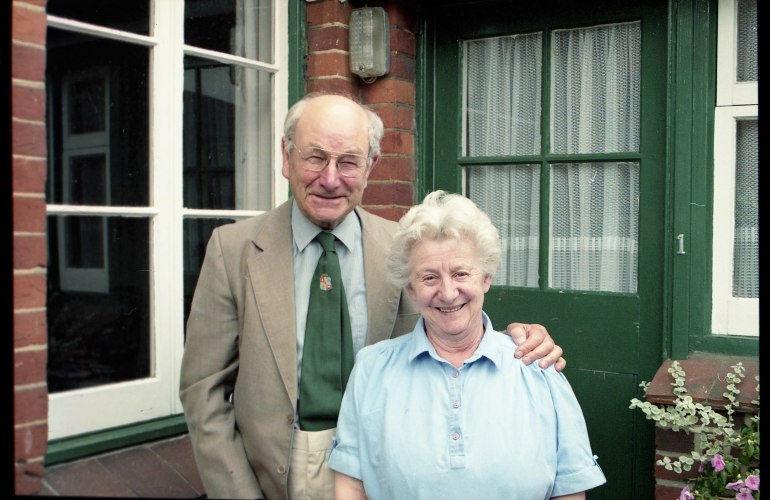
Fire, festivities and revolvers: The story of George and Una Wilder at Stansted House

By Mia Curtis-Mays, Searchroom Assistant Nestled in the forest, on the borderline of West Sussex and a stone’s throw from Hampshire, Stansted House proudly stands in Stansted Park Estate. In SP 1256, the mansion was described as being substantially built of a grey stock brick, stone quoins, and ashleering borders. It boasted 16 Tuscan columns…

National Volunteers Week, 3-9 June 2024-Volunteers at West Sussex Record Office

By Nick Corbo-Stewart, Volunteer Coordinator and Archivist In the week that celebrates the 40th anniversary of this event, organised by the NCVO (The National Council for Voluntary Organisations), we at the West Sussex Record Office (WSRO) would like to thank all our volunteers from the local community who make a positive contribution towards the services…

D-Day 80: Memories of local residents

By Matthew Jones, Assistant County Archivist Residents of towns and villages along the south coast of England would have been only too aware of the huge build-up of military personnel, vehicles and equipment as the preparations for D-Day gathered pace in early 1944. Bognor Regis: airborne assault glider being towed by an aircraft, 6 June…

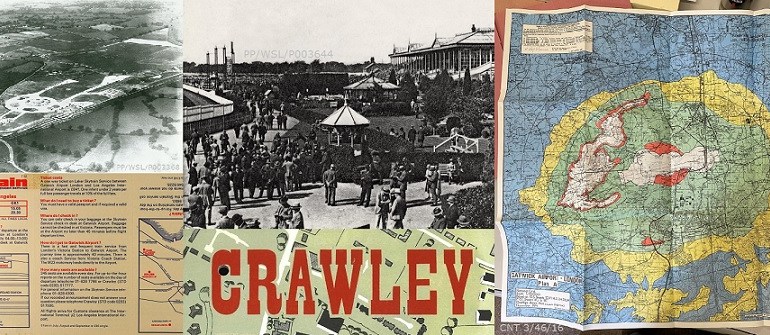
Cataloguing Crawley New Town: The New Town Blues

By Alice Millard, New Jerusalems Project Archivist Please be aware that this blog post discusses mental health issues and drug use. No, the 'New Town Blues' were not a football club, but rather the name given by the British press and several 20th century sociologists to a perceived phenomenon occurring in the country's new towns…

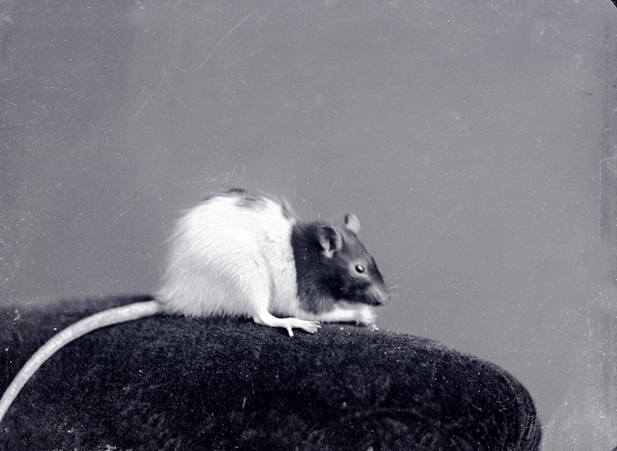
The Wonderful World of Churchwardens Accounts

By Imogen Russell, Searchroom Supervisor Figure 1 - Kevis 1-D45 - Miss Daintrey's Rat As with previous blog posts an animal has invariably had an intriguing impact on the subject matter, and this blog post is no exception. When looking at the catalogue description for Par 65/9/1 – the churchwardens accounts for West Dean, just north…

Tuesday Talk: What did the Victorians do for Chichester?

By Alan Green, Guest Speaker Visually Chichester did not alter substantially under the Victorians, so its character remained – and remains to this day - essentially Georgian. PH 12594 - Chichester: East Street and the Cross In this illustrated talk Alan Green explores the Victorian era in Chichester including the coming of the railway, new…

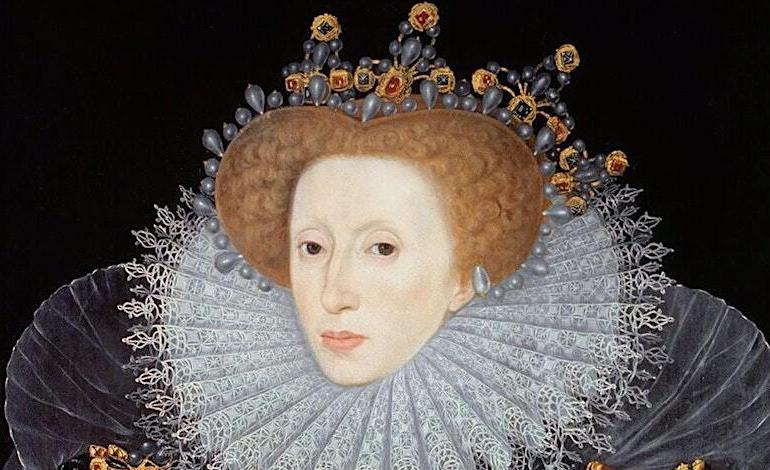
Tuesday Talk: The material culture of life in Elizabethan Chichester

By Dr Caroline Adams - Guest Speaker In the late 16th century, the estimated population of Chichester was about 4000 residents (now it’s about 33,000).  Four thousand is about the same population as some of the present-day villages around Chichester – Tangmere or Fishbourne, for example.  When you walk around those villages, it feels quite…

The Mysterious Truth of Toussaint Louverture Jr in Chichester

By Alice Millard, archivist Toussaint Louverture on horseback, 1802, anon. The Met. Before Haiti was so named it was called Saint Domingue, having been colonised by the Spanish in the 15th century then controlled by the French in the 17th century. As with most other Caribbean islands at the time, Saint Domingue's economy was dependent…

A Brief History of Cavendish Street – using maps

By Victoria Evans, Searchroom Archivist Sunset over Cavendish Street, taken by author Having moved to Chichester recently to take up the role of Searchroom Archivist at the West Sussex Record Office, I have been developing my different branches of research that our researchers utilise. Although doing such exercises enables me to provide a better service,…