By Dr Sue Berry FSA, FRHistS – guest speaker
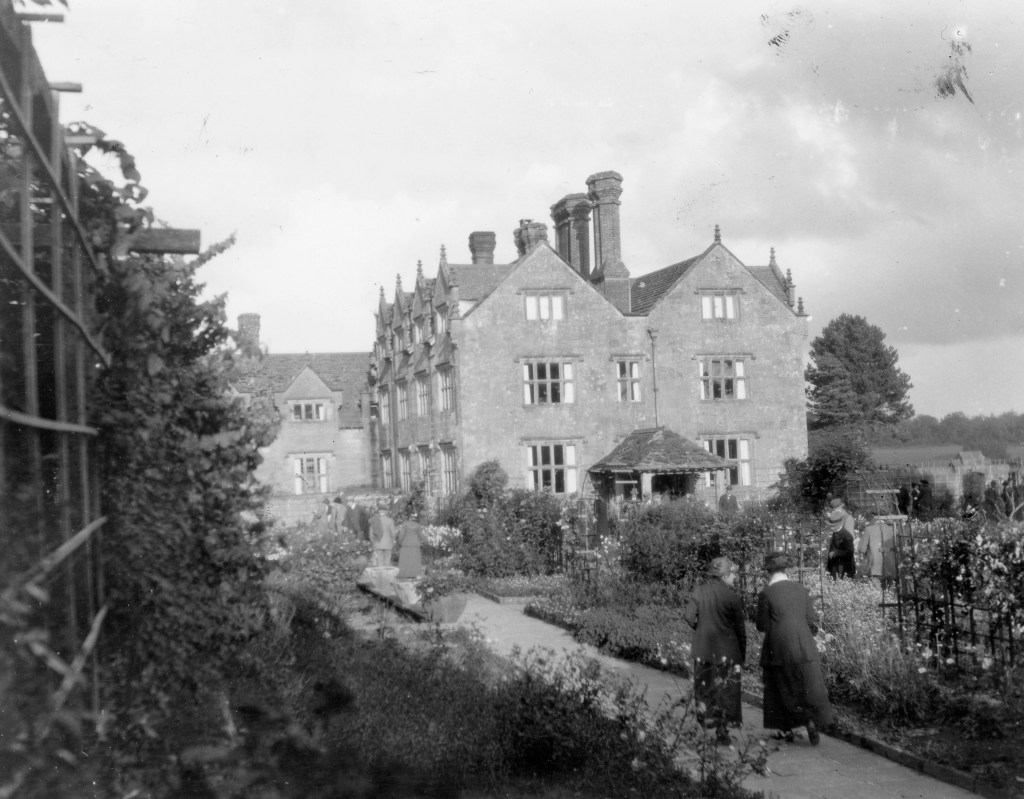
This talk is about the small country leisure house estates established in the Weald of Sussex between about 1840 – 1914 (during the reigns of Queen Victoria and her son, Edward VII). Using case studies, it explores why these houses were developed, how they were paid for, the styles of the houses, their settings, and the interests of their owners. Much of the wealth spent on these estates came from manufacturing in the north and midlands, from service businesses such as banking, and from businesses with strong links with Europe, a major trading partner during this period, for example, the Loder family made their fortune in Russia. A few of the sources of income may seem surprising such as ostrich feathers which helped to fund Buchan Hill (now Cottesmore School) and torpedoes (Paddockhurst, now Worth School). Some of the newcomers became famous for their collections.
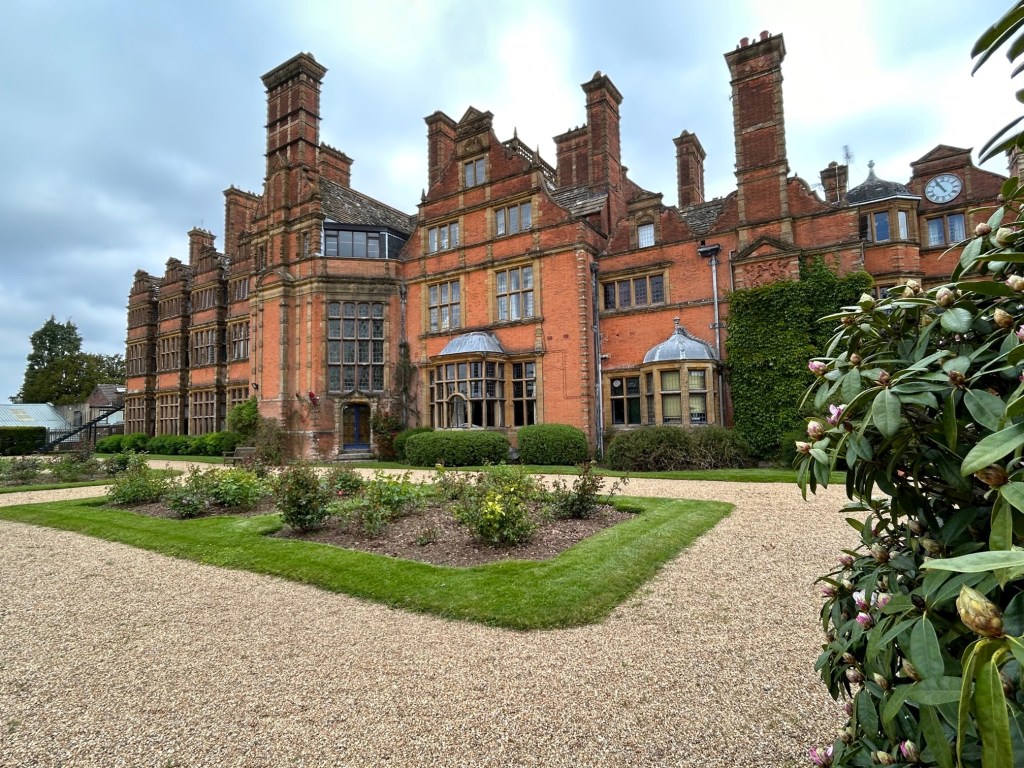
A small group collected rare plants (including the members of the Loder family), others bought works of art or valuable rare books (the Huths of Wykehurst and Possingworth). But Thomas Brassey II of Normanhurst built that house and lavished his wealth on ‘The Sunbeam’, an ocean-going steam yacht.
From the 1840s, well over 50 small new estates were formed in the Weald by these newcomers, most after 1860 when older estates began to tell a lot of land. They were faced with falls in both agricultural income and land values due to a combination of factors such as poor harvests and rapidly increasing imports of cheaper food and sold land to meet their debts. These divestments enabled incomers to build up compact estates such as Nymans, Wykehurst, Possingworth and Worth. Few of the new estates were over 4,000 acres. Many of the new owners let their land beyond the private grounds as farms and invested in new farm buildings. Most of the new estates did not last longer than two or three generations of ownership by direct heirs of the founder and those that survive are mainly schools, hotels and in flats.
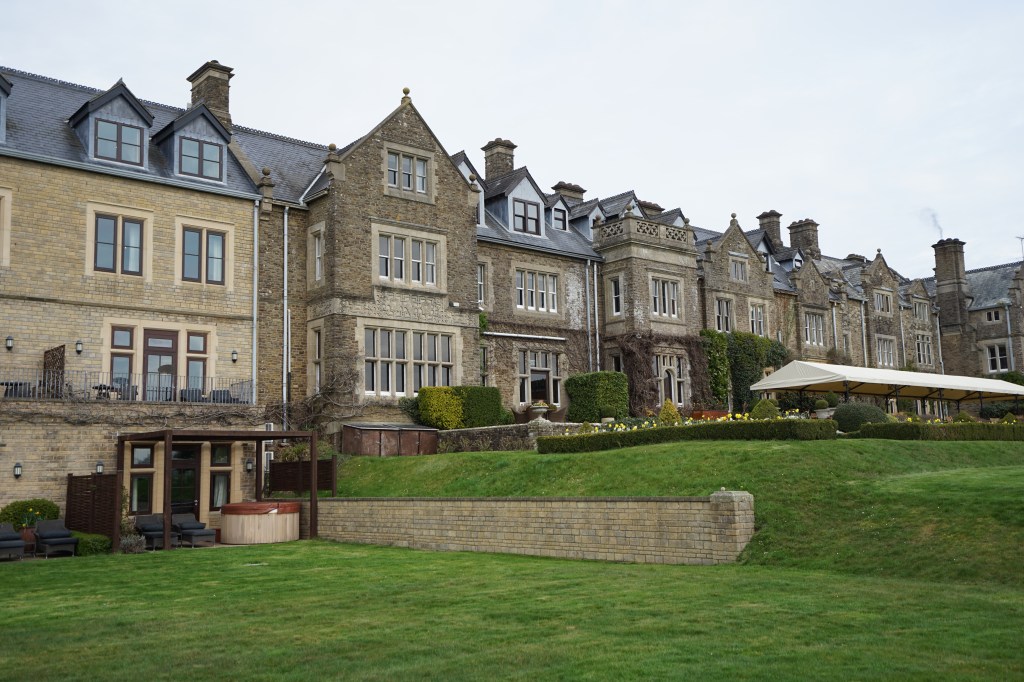
We will look at examples of the new houses and at the lifestyle of their owners. These were the stylish and opulent houses of the late Victorian and Edwardian long weekend, aided by trains and the early motor car.
If you would like to attend this Tuesday Talk, please join us at the Record Office on Tuesday 26 September 2023 at 7pm by calling 01243 753602 to book an in-person ticket. Tickets cost £8 (£7 for West Sussex Archives Society members). Or you can join us online by going to https://www.eventbrite.co.uk/e/the-victorian-and-edwardian-leisure-estate-in-the-sussex-weald-c1850-1914-tickets-577008677487. Online tickets cost £5.
________________________________________
Stay up to date with WSRO – follow us on Facebook, Instagram, Twitter and YouTube

 West Sussex Record Office
<
div dir=”ltr”>Iâve booked! It looks really interesting as I love West Sussex anyway but I have an unpublished diary of Edmund Loder dated 1871 whi
LikeLike